How International Breaks Impact Premier League Club Momentum
Premier League clubs spend weeks developing tactical rhythm, physical sharpness, and confidence. An international break can interrupt that progress almost instantly. Players leave their clubs, adapt to different systems, travel across continents, and return with varying levels of fitness.
For teams enjoying a strong run, the pause may arrive at the worst possible moment. For struggling sides, however, it can create valuable time to reset. The real effect depends on squad depth, player workload, travel demands, injuries, and how effectively each manager prepares for the first match back.
Why International Breaks Disrupt Club Rhythm
Football momentum is built through repetition. When a team plays regularly, combinations between players become more natural. Passing patterns improve, pressing movements become coordinated, and attackers begin anticipating where teammates will move.
An international break separates many first-team players from this environment. Some clubs may lose more than a dozen squad members, leaving managers with only a small training group. This makes it difficult to rehearse tactical adjustments or prepare a complete starting lineup.
The international break impact is particularly noticeable when a club enters the pause after several convincing victories. Players who were performing with confidence may return to a different rhythm after spending time under another coach.
Momentum is psychological as well as tactical. A team that has recently won important matches often wants to play again quickly. A two-week pause can reduce that emotional intensity and give opponents more time to identify weaknesses.
Travel and Physical Demands on Players
International duty does not provide every player with meaningful rest. Many footballers complete long journeys, play two competitive matches, and return to England only a few days before the next league fixture.
Players representing countries in South America, Asia, or Africa may cross several time zones. Even when they avoid injury, disrupted sleep and limited recovery can affect reaction speed, concentration, and decision-making.
This is one of the main causes of EPL club fatigue after international windows. A player may appear physically available while still lacking the freshness required for Premier League intensity.
Minutes Played Matter More Than Selection Alone
Not every international call-up creates the same workload. One player may remain on the bench for both matches, while another completes 180 minutes and additional stoppage time.
Managers must evaluate each player individually. Training data, travel schedules, muscle condition, and recovery levels are often more useful than simply checking whether someone played.
A heavily used international may need to begin the next league match on the bench. This can force a manager to change the starting lineup even when the club had previously discovered a successful formula.
The Challenge of Long-Distance Travel
Travel fatigue can be difficult to measure because players respond differently. Some recover quickly, while others need several days to restore normal sleep patterns and energy levels.
The fixture rhythm after internationals becomes especially important when a league match is followed by European or domestic cup competition. One demanding international window can influence team selection across several fixtures.
Injury Risks During International Duty
Injuries are among the biggest concerns for Premier League managers during international breaks. Clubs release players in good condition but cannot fully control their training intensity, playing surface, match minutes, or recovery routine.
Muscular injuries may occur because players are adapting to different methods. National-team coaches have limited preparation time, so sessions can be physically demanding as they attempt to introduce tactical ideas quickly.
Contact injuries are more unpredictable. A key defender or striker can leave for international duty and return unavailable for several weeks, changing the outlook of an entire club.
An injury to one important player can damage Premier League momentum because tactical systems are often built around specific qualities. Replacing a creative midfielder, commanding centre-back, or reliable goalscorer is rarely straightforward.
International Breaks Can Help Struggling Teams
The pause is not always harmful. Clubs experiencing poor results can use it as an opportunity to review performances without the pressure of an immediate match.
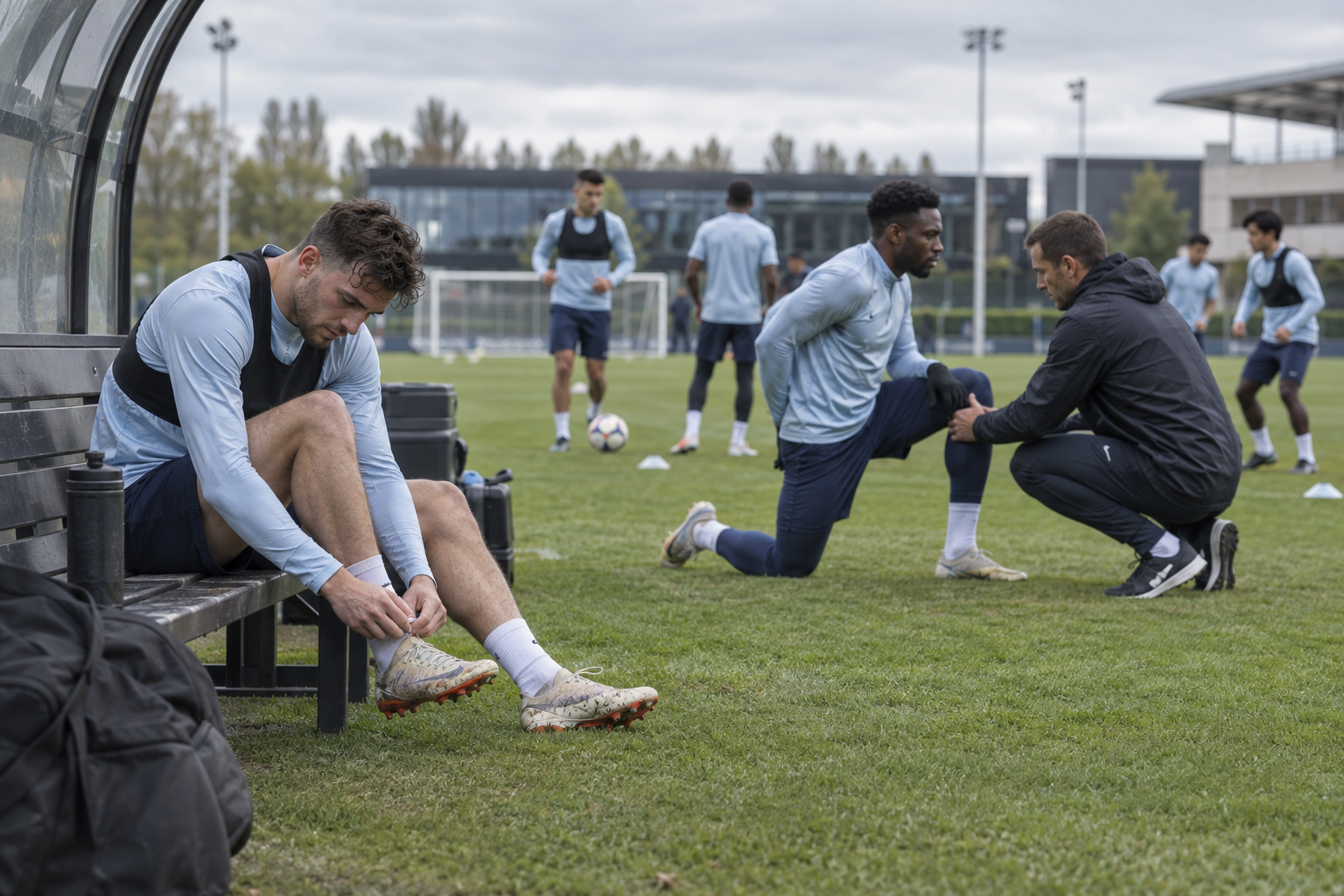
Managers can study defensive errors, reassess formations, and spend more time with players who remain at the training ground. Injured footballers may also gain extra recovery time without missing additional league fixtures.
For a newly appointed manager, the break can be particularly valuable. It provides space to communicate expectations and introduce new training principles. Although international players are absent, the coaching staff can begin reshaping the team’s overall direction.
A tactical reset can transform post-break match performance. Teams that looked predictable before the pause may return with a different formation, a more aggressive press, or improved defensive organisation.
A Mental Reset for Players
Confidence can decline rapidly during a losing run. Mistakes become more frequent because players start making cautious decisions rather than trusting their instincts.
Time away from club pressure may help some footballers return with a clearer mindset. A successful performance for their national team can also restore confidence before domestic competition resumes.
However, the opposite is possible. Players involved in disappointing international results may bring frustration back to their clubs. Managers must understand the emotional condition of each individual as well as their physical readiness.
Squad Depth Becomes a Competitive Advantage
Clubs with deep squads are usually better equipped to handle international breaks. They can rotate tired players without dramatically reducing the quality of the starting lineup.
Smaller squads often depend heavily on a limited number of starters. If several return late or carry minor injuries, the manager may have to choose between fielding fatigued players and using less experienced alternatives.
Strong squad depth in the Premier League is therefore about more than surviving a long season. It allows clubs to respond to unpredictable international schedules while maintaining tactical consistency.
Versatile players are especially valuable. A midfielder capable of covering multiple positions or a defender comfortable on either side gives the manager more options when international duty disrupts availability.
Why the First Match Back Is So Unpredictable
The opening round after an international break frequently produces uncertain performances. Clubs have limited time to reunite their squads, assess fitness, and complete tactical preparation.
A team near the top of the table may struggle against an opponent that had fewer players away. The supposedly weaker side may have spent two uninterrupted weeks training together, while the stronger club only welcomed key players back shortly before kickoff.
Managers must decide whether to preserve their established system or adjust it according to available personnel. Conservative tactics may protect tired players, but they can also remove the aggression that previously made the team successful.
This uncertainty makes Premier League scheduling challenges an important part of performance analysis. League position alone does not reveal how prepared a club will be immediately after an international window.
How Managers Protect Team Momentum
Effective preparation begins before players leave. Clubs provide national teams with medical information, workload recommendations, and recovery guidance. Communication continues throughout the break so coaching staff can monitor minutes and physical condition.
When players return, the first sessions are often focused on recovery rather than intense tactical work. Those who played limited minutes may train normally, while heavily used internationals follow individual programs.
Managers also rely on video analysis to reduce the amount of physical preparation required. Short meetings can remind players of pressing triggers, defensive responsibilities, and attacking patterns without adding unnecessary strain.
The most successful teams accept that every player will return in a different condition. Flexible selection and realistic workload management are essential for protecting results across the weeks that follow.
International Breaks Test Complete Club Management
International windows reveal how well a Premier League club operates beyond its strongest starting eleven. Medical planning, squad construction, tactical flexibility, and communication all influence the outcome.
A break can interrupt a winning run, increase fatigue, and expose a lack of depth. It can also provide recovery time, restore confidence, and give struggling teams an opportunity to solve recurring problems.
Ultimately, international breaks do not automatically help or harm a club. Their influence depends on how many players travel, how heavily they are used, and how intelligently the coaching staff manages their return. In a competition where small margins decide league positions, handling these interruptions can be just as important as preparing for the matches themselves.